
FILLING SOLUTIONS · DUBAI, UAE
Filling Machines Company in Dubai
From free-flowing liquids to thick, viscous products, find filling equipment matched to your product, container and production goals.
A BETTER FIT FOR YOUR PRODUCTION
Filling equipment built around your product.
Ideas Packaging & Machinery supplies filling equipment in Dubai and across the UAE. We help businesses assess standalone machines and integrated lines for automotive fluids, detergents, greases, beverages and other products.
Start with the product’s characteristics, your packaging format and the output you need. The filling method, contact materials, container handling and cleaning requirements can then be assessed together.
EXPLORE BY APPLICATION
Find your filling solution
Explore our core filling applications. Each range is selected around the product’s characteristics and the requirements of your production line.
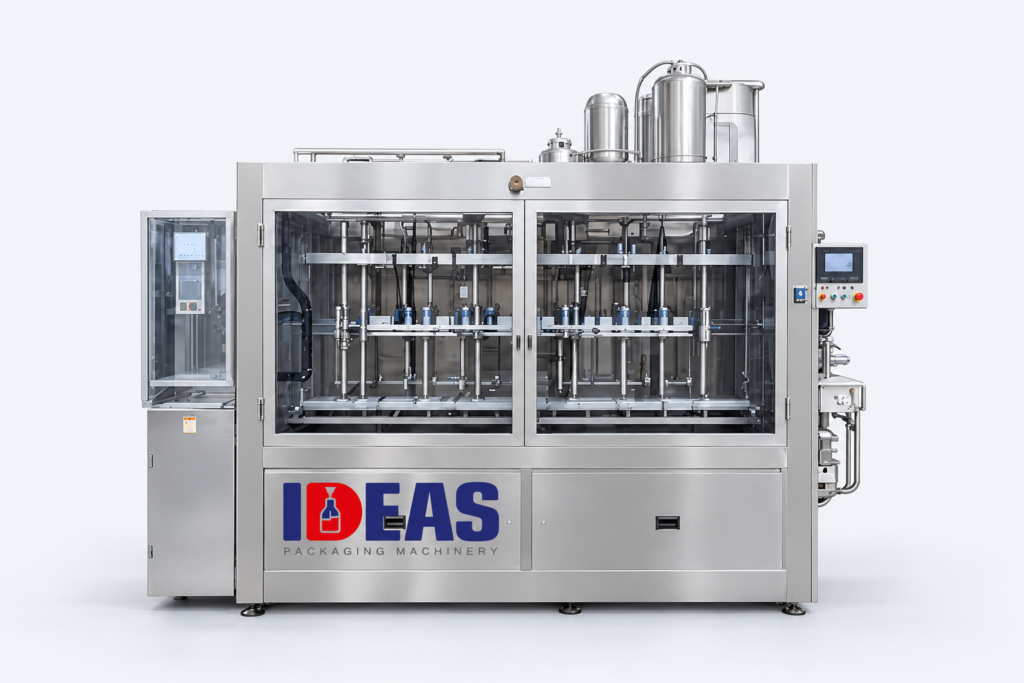
CLEANING & CHEMICALS
Detergent & corrosive liquid filling
Assess filling equipment around product chemistry, foaming behaviour and compatibility of the wetted parts and seals.
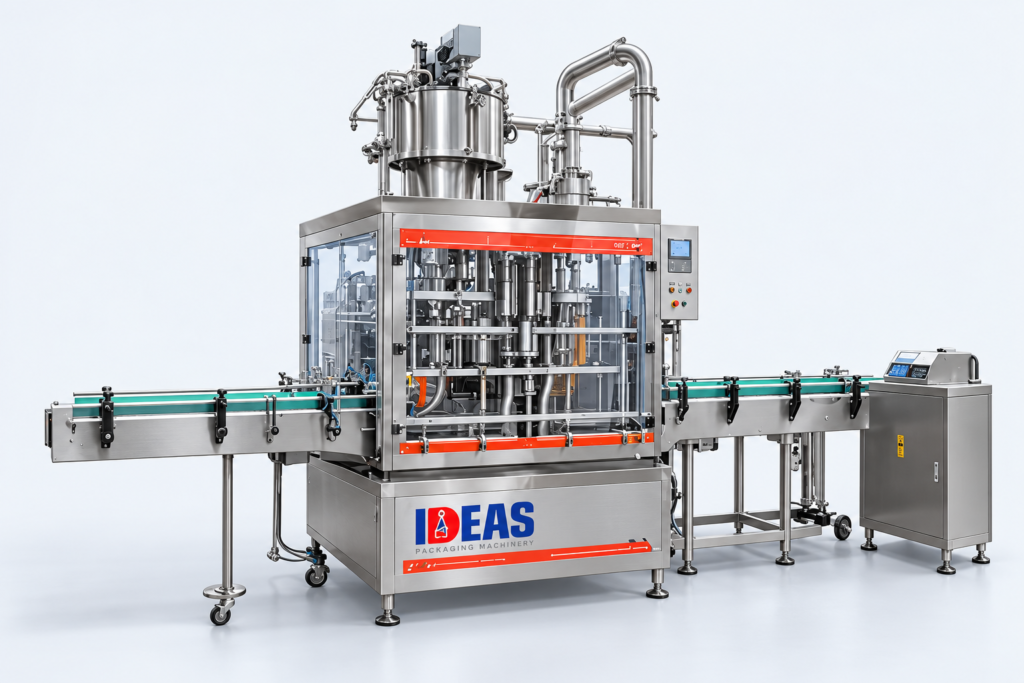
HIGH-VISCOSITY PRODUCTS
Grease filling machines
Handle thick, viscous greases with a filling configuration selected for product consistency, fill size and required output.
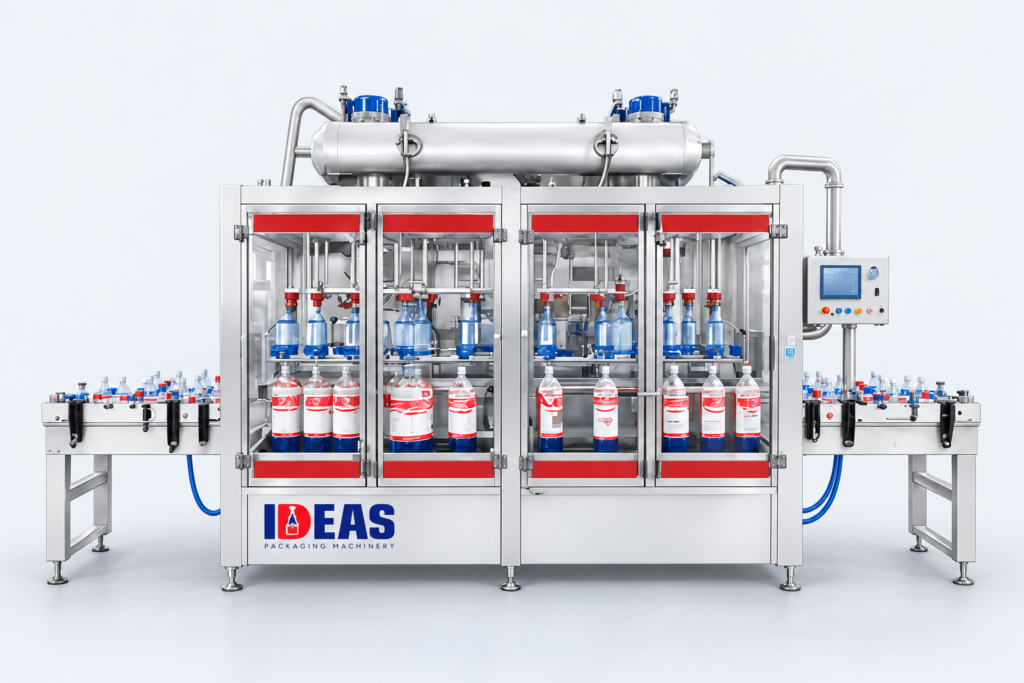
CARBONATED DRINKS
Carbonated beverage filling
Explore CSD filling equipment suited to the beverage, container format and carbonation requirements of your line.
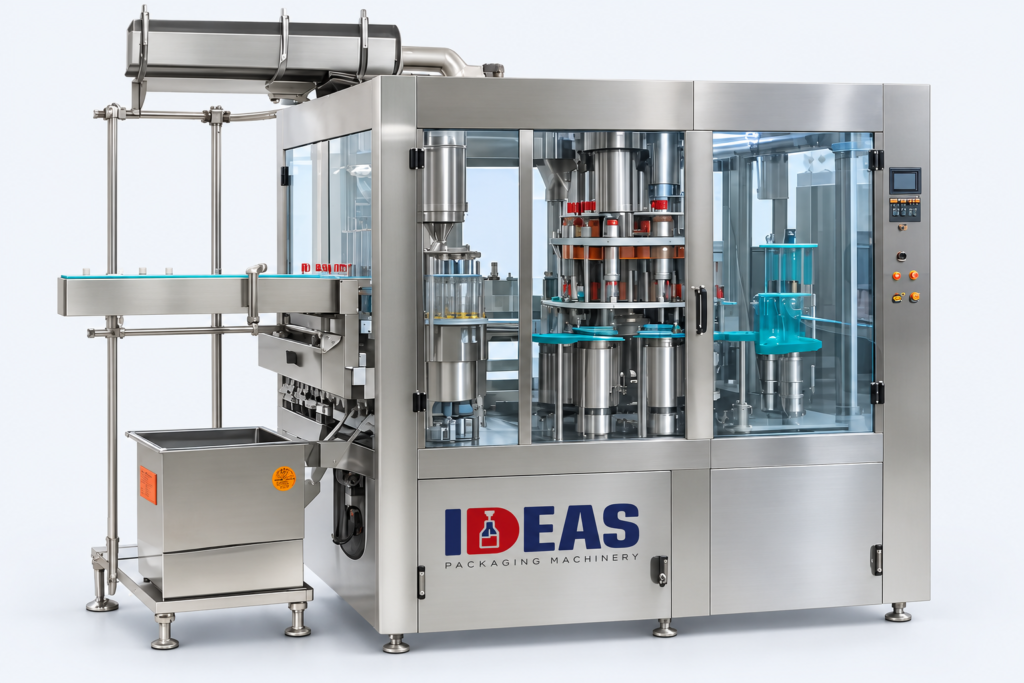
JUICE & BEVERAGES
Juice filling machines
Plan juice filling around the product, container and processing requirements, including any pulp and filling-temperature needs.
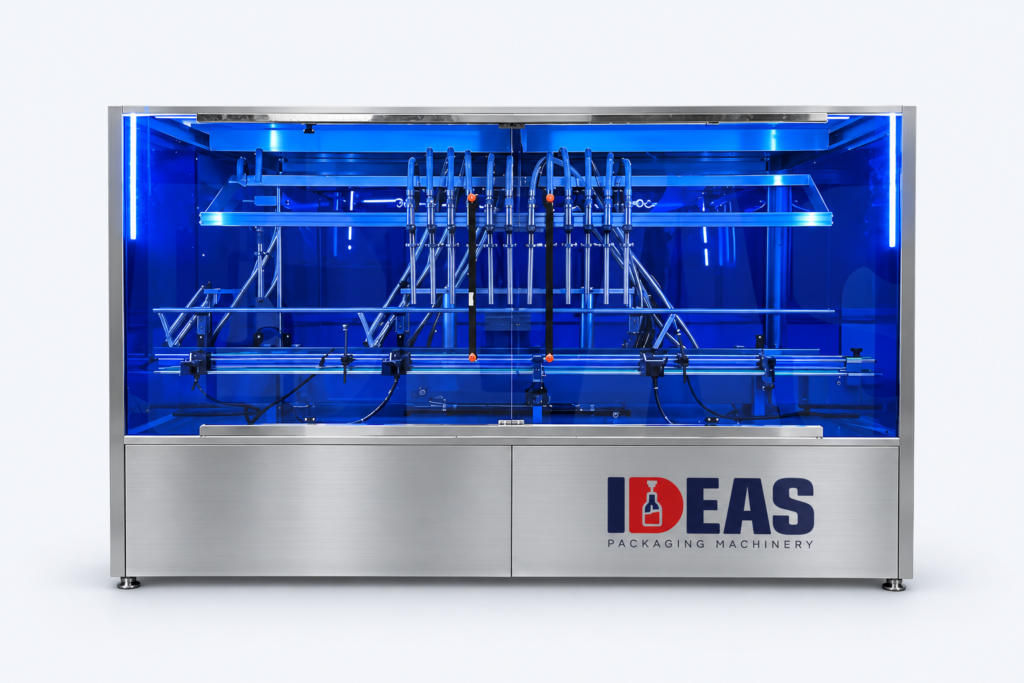
OILS & LUBRICANTS
Lubricant filling machines
Explore filling equipment for lubricating oils, with dosing, nozzle arrangement and handling selected for your product range.
LOOKING FOR A PRODUCT OR PACK FORMAT?
TECHNOLOGY GUIDE
Understand the filling options
Different products call for different approaches. Explore these filling methods and system formats as a starting point for discussing your application.
01
Gravity filling
An option for thin, free-flowing liquids. Product flow characteristics and the target fill volume help determine suitability.

02
Piston filling
Often considered for thicker products such as creams, sauces and pastes. The product’s viscosity and any particles need to be assessed.
03
Overflow filling
Used where a consistent visible fill level is important. Suitability depends on the liquid, container and foaming behaviour.

04
Vacuum filling
An option for suitable liquid products and rigid containers. Container strength and product compatibility must be checked.

05
Pump filling
A flexible approach for a range of liquids. Pump type is selected around viscosity, dosing requirements and product compatibility.

06
Net-weight filling
Controls the dose by weight. Useful to consider when the required pack quantity is specified by mass.

07
Auger filling
A common approach for powders. Flow behaviour, bulk density and dust control influence the equipment configuration.
08
Flow-meter filling
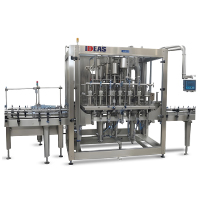
Measures product flow during dosing. Meter selection depends on the liquid’s properties and the required measurement range.

09
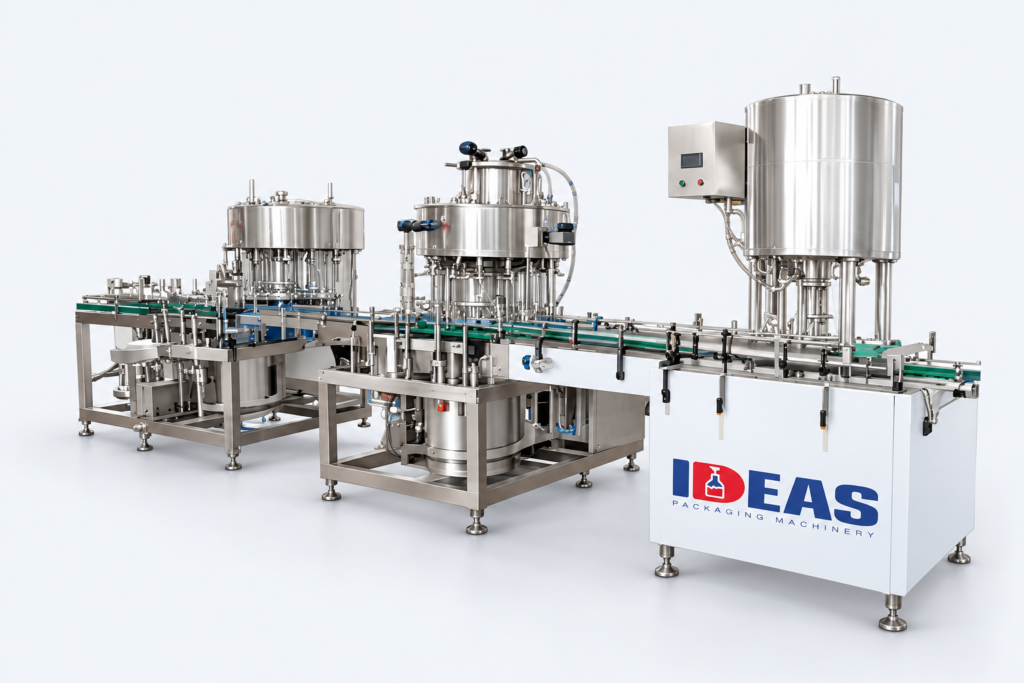
Rotary filling systems
Move containers through filling stations on a rotary platform. Often considered for continuous production and beverage applications.
10
Aseptic filling systems
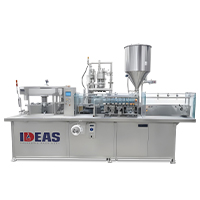
Designed around a controlled hygienic filling process for suitable products. Product treatment, packaging and process validation need specialist assessment.
CHOOSE YOUR AUTOMATION LEVEL
Semi-automatic or automatic filling?
Choose the level of automation around your batch sizes, staffing, changeovers and growth plans. Compare the complete operating process—not only the advertised filling speed.
FLEXIBLE BATCH PRODUCTION
Semi-automatic filling
Consider this format when operators can position containers and manage more of the filling cycle. It can suit smaller batches, varied pack sizes or a gradual move away from manual filling.
Check: operator workload, cycle time, container handling, cleaning access and how filled packs move to capping.
REPEATABLE LINE PRODUCTION
Automatic filling
Consider automatic handling and filling for sustained production with a defined container range. Operators still manage setup, replenishment, checks, cleaning and maintenance.
Check: conveyor layout, container stability, change parts, controls and the capacity of downstream equipment.
MAKE THE DECISION WITH DATA
Compare the whole shift
Estimate output after allowing for product changes, cleaning, breaks and stoppages. A higher nominal speed is only useful when the rest of the line can keep pace.
Check: saleable packs per shift, staff required, space, utilities and the cost of future upgrades.
PLAN YOUR FILLING LINE
Three details that shape the right machine.
01
Your product
Share viscosity, foaming behaviour, temperature, particles and any chemical compatibility or hygiene requirements.
02
Your packaging
Provide container samples or drawings, neck dimensions, fill volumes and the range of sizes you plan to run.
03
Your production
Define the required output, available floor space, utilities and how the filler will connect to the rest of the line.
VERIFY BEFORE YOU COMMIT
Confirm fill accuracy, speed and changeovers
Ask for performance to be assessed with representative product and containers. Agree on the test conditions and acceptance criteria before confirming the equipment specification.
01 / PRODUCT & PACK TRIAL
Use representative samples
Provide the product at its intended filling temperature, along with containers and closures. Check flow, foaming, drips, splashing and container stability. Include difficult products and the smallest and largest packs you expect to run.
02 / MEASUREMENT & OUTPUT
Define what will be measured
Specify the target quantity, agreed tolerance and measurement method. Review a sequence of fills rather than one successful container. Record sustained output under the same product, pack size and operating conditions.
03 / DAILY OPERATION
Check the changeover
Review how operators adjust fill settings, replace change parts and clean product-contact components. Include guarding, emergency stops, operating instructions and the agreed training scope in the handover checklist.
For installation and ongoing maintenance, see our machinery services and spare-parts support.
FROM SELECTION TO DAILY OPERATION
Support beyond the machine.
Plan installation, commissioning, operator training, maintenance and spare parts alongside the filler. Confirm site access, utilities, responsibilities and acceptance checks before delivery.
For a coordinated workflow, review the transfer of filled containers to capping, labelling and coding equipment. Check line speed, container spacing, closures and control interfaces before confirming compatibility.
BUYING GUIDE
Before you choose your filler
Review the key questions to ask when setting up a new production line or upgrading existing filling equipment.
PLAN YOUR INVESTMENT
What affects filling machine prices in Dubai?
There is no single price for a filling machine. A useful quotation defines the product, fill range, container sizes and expected output, then lists the equipment and services included. Compare offers against the same specification.
Equipment configuration
The filling method, number of heads, automation level, product-contact materials and control system affect the equipment cost. Product properties and cleaning requirements may call for a different configuration.
Installation & integration
Allow for conveyors, change parts, utilities, commissioning and connections to other machines. Confirm what is included in the quotation and what must be arranged at your site.
Ownership & delivery
Compare consumables, wear parts, cleaning time, maintenance and operator requirements. Obtain written confirmation of availability, lead time, warranty coverage and payment terms for the proposed equipment.
Ready for a detailed offer? Send your filling requirements to our Dubai team with your preferred delivery date and installation location.
FILLING MACHINE FAQS
Your questions, answered
What types of products can your filling machines handle?
The range covers applications for liquids, pastes, powders and other products. The suitable machine depends on product characteristics, pack format and production requirements; one configuration will not suit every product.
Can one machine fill different liquids or container sizes?
Some machines support multiple products or pack sizes through adjustments, recipes or change parts. The practical range depends on viscosity, dosing method, contact materials, container handling and cleaning requirements.
How do semi-automatic and automatic filling machines differ?
Semi-automatic systems require more operator involvement, such as positioning containers or starting a fill cycle. Automatic systems coordinate more of the handling and filling process, while still requiring operators, setup, cleaning and maintenance.
Can the filling system be customised for my application?
Discuss your product, container samples, output target and available space with the team. Nozzle arrangements, handling and connections to other equipment can then be assessed as part of the proposed solution.
What filling accuracy and production speed can I expect?
Accuracy and output depend on the machine, product, fill size and operating conditions. Request the relevant specifications and, where appropriate, a product trial to confirm the expected performance for your application.
Are food, beverage or pharmaceutical applications supported?
The range includes food and beverage filling applications. Hygiene requirements, product-contact materials, cleaning and documentation must be assessed for each process. Pharmaceutical or aseptic applications require specialist evaluation and validation; suitability should be confirmed before purchase.
What installation and maintenance support is available?
Ideas Packaging offers setup and after-sales support. Discuss commissioning, operator training, maintenance, troubleshooting and spare parts with the team. Installation time and the support scope depend on the selected equipment and site readiness.
How much does a filling machine cost in Dubai?
Price depends on the filling method, fill range, automation level, number of filling heads, materials and integration scope. Request an itemised quotation based on your product, container samples and required output, including installation and support costs.
What delivery time and warranty should I expect?
Lead time depends on availability, configuration, testing and delivery arrangements. Warranty terms vary by the equipment and supply agreement. Confirm the delivery schedule, warranty coverage, exclusions and support responsibilities in the written quotation.
What should I send to request a quotation?
Include your product details, fill volumes, container and closure samples or drawings, required output, floor space, utilities and installation location. Mention cleaning, changeover and line-integration requirements.
LET’S PLAN YOUR FILLING PROJECT
Tell us what you need to fill.
Send your product details, fill volumes, container samples or drawings, target output and site layout. Include available utilities and your preferred delivery date so our Dubai team can review the equipment and support scope.